PE – POLYETHYLENE
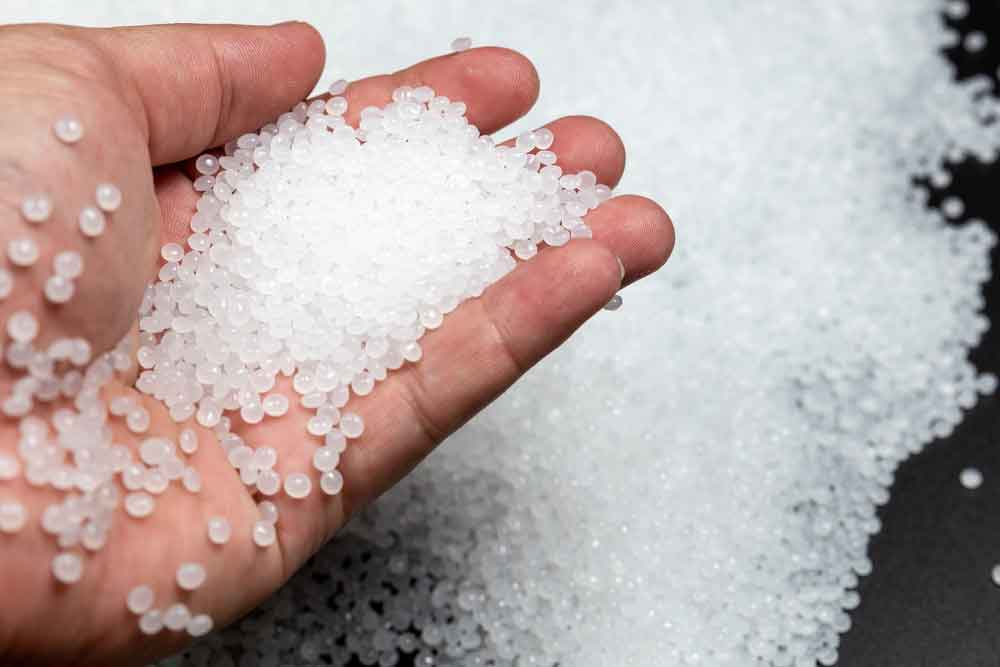
Polyethylene:
Low-Density Polyethylene
Ldpe Film (Equivalent to G035 and F2)
High-Density Polyethylene
Ldpe Film
Ldpe Blowing
Ldpe Injection
Ldpe Pipe
Ldpe Rotational Molding
Ldpe Raffia
Properties of Polyethylene
Due to its light weight and ease of use, polyethylene enhances mobility during installation, providing significant advantages over other materials. It is extremely ideal in terms of flexibility, strength, and durability. Its high resistance to cracking makes it widely used in many areas of daily life. To further enhance and make polyethylene more effective, it is blended with additives such as UV stabilizers, antioxidants, lubricants, and anti-blocking agents.
Some Applications of Polyethylene Include:
- Shopping bags
- General packaging
- Industrial films
- Bins
- Drawstring hoods
- Lamination films
- Insulation pastes
- Cosmetic tubes
- Underfloor heating pipes
HDPE – High-Density Polyethylene
High-Density Polyethylene (HDPE) is a type of thermoplastic made from petroleum. It is characterized by its high strength-to-density ratio, making it a popular choice for various applications. Here are some key features and uses of HDPE:
Properties of HDPE:
- Durability: Resistant to impact and can withstand high temperatures.
- Chemical Resistance: Resistant to many chemicals, making it suitable for various industrial applications.
- UV Resistance: Can be treated for UV stability, enhancing its outdoor performance.
- Lightweight: Easy to handle and transport due to its low weight.
- Flexibility: Can be molded into various shapes and sizes.
Applications of HDPE:
- Packaging: Widely used for plastic bottles, containers, and bags.
- Piping: Commonly used in water pipes, sewage pipes, and industrial piping systems.
- Geomembranes: Used in landfill liners and pond liners due to its impermeability.
- Consumer Goods: Found in toys, furniture, and other household products.
- Construction: Used for various construction applications, including roofing materials and siding.
HDPE is highly recyclable, which further enhances its appeal in sustainable manufacturing practices.
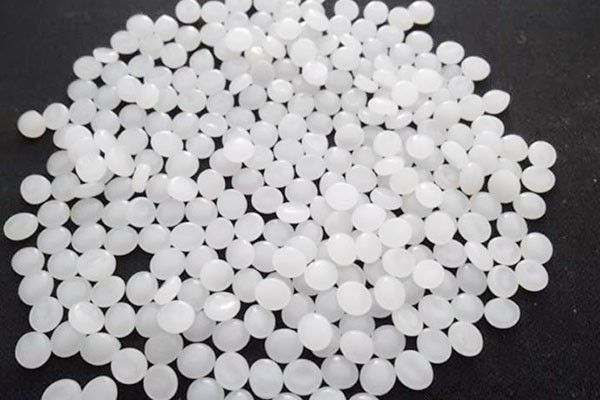
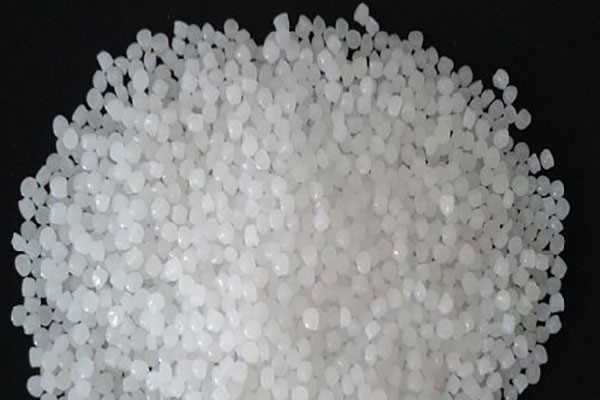
LDPE – Low Density Polyethylene
It stands for Low-Density Polyethylene and is a thermoplastic polymer known for its flexibility, durability, and chemical resistance. LDPE is the softest and lightest form of polyethylene, with a low density due to branching in its molecular structure. This makes LDPE a flexible and processable plastic
Applications:
Packaging Materials: LDPE is commonly used in food packaging, plastic bags, blow-molded products, containers, stretch films, and pouches.
Film and Coating Applications: It is frequently preferred in film coating and packaging films. Its flexibility makes it popular in stretch films and food storage films.
Insulation Materials: LDPE is used in electrical cable insulation, waterproof coatings, and pipe coatings.
Compression Molding: LDPE is utilized in compression molding to produce various bottles, caps, and lightweight products.
Disposable Products: It is widely used in disposable products such as plastic bags, waste bags, various packaging, and garbage bags.
Underground Linings: Due to its lightweight flexibility, LDPE can also be used in construction applications as a vapor barrier or insulation material underground.