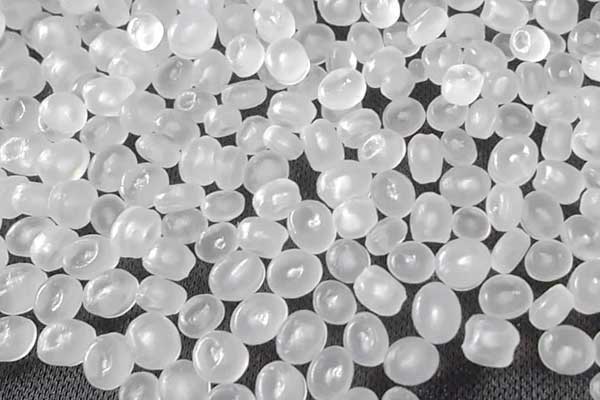
PP – POLYPROPYLENE
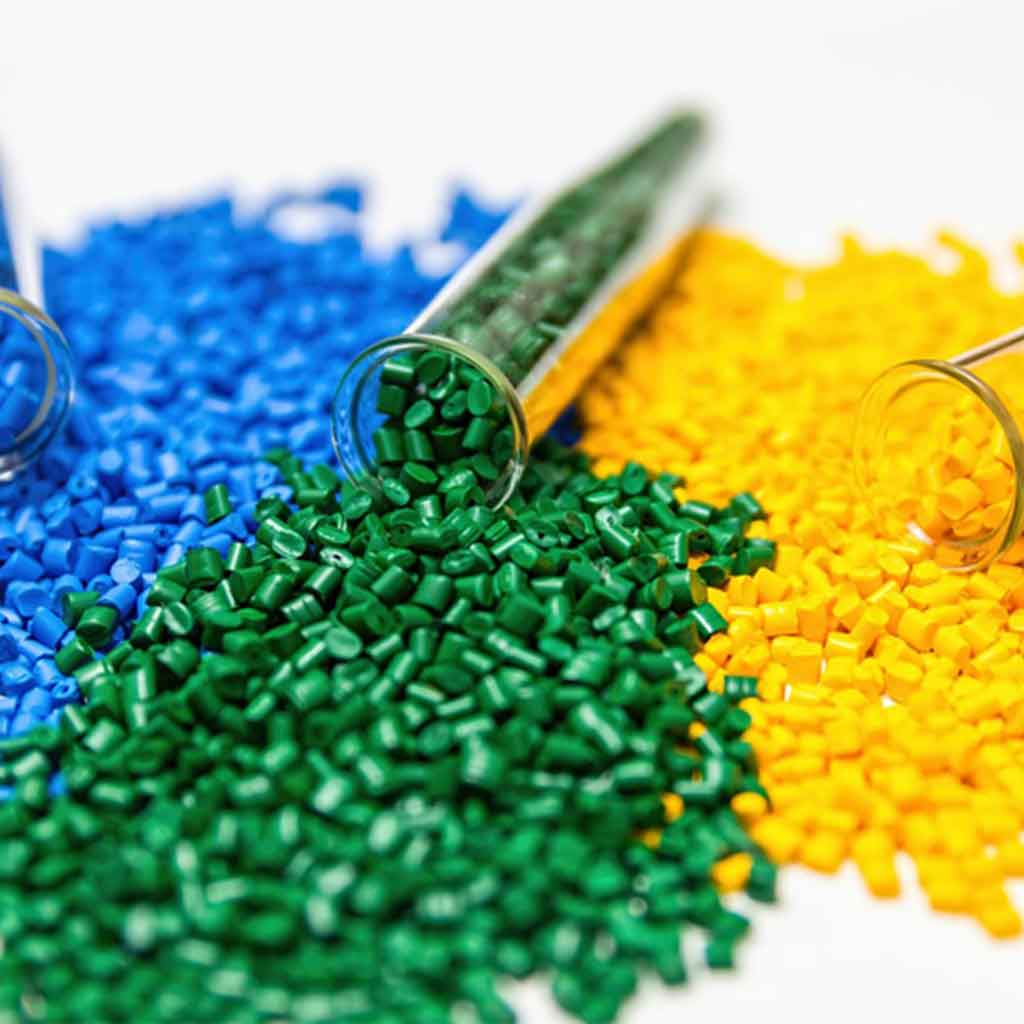
Polypropylene:
- PP Homopolymer Fiber
- PP Homopolymer Raffia
- PP Homopolymer Injection
- PP Block Copolymer
- PP Random Copolymer
PP – Polypropylene and Its Properties
The quality of PP – Polypropylene is continuously improving, making it suitable for a variety of applications. This product has high resistance to fatigue and is low in cost. Additionally, it offers strong impact resistance.
PP – Polypropylene, a type of thermoplastic plastic, can be used in many sectors, including automotive, textiles, food, construction, and infrastructure. PP products can be processed using all available conversion techniques and can be easily used in your daily life.
PP – Polypropylene and Its Applications
Due to its many advantages, PP – Polypropylene is frequently preferred in the following applications:
- Bathroom accessories
- Kitchen utensils
- Food packaging
- Garden chairs
- Garden tables
- Industrial packaging
- Detergent bottles
Polypropylene Copolymer PP-C
Polypropylene Copolymer is a type of polypropylene obtained through the polymerization of two different monomers, typically propylene and ethylene. This structure exhibits different properties compared to homopolymer polypropylene due to the inclusion of a second monomer like ethylene. There are two main types:
Block Copolymer
- Properties: Ethylene monomers are distributed in larger blocks throughout the propylene chain. This structure increases the impact resistance of polypropylene, allowing it to perform better, especially at lower temperatures.
- Applications: Commonly used in automotive parts, pipes, industrial applications, outdoor furniture, and durable products.
Random Copolymer
- Properties: Ethylene monomers are randomly distributed within the propylene chain. This gives polypropylene a more flexible and transparent structure. It has a lower melting temperature and offers better processability.
- Applications: Frequently used in transparent food packaging, films and foils, pipes, containers, medical products, and kitchen utensils.
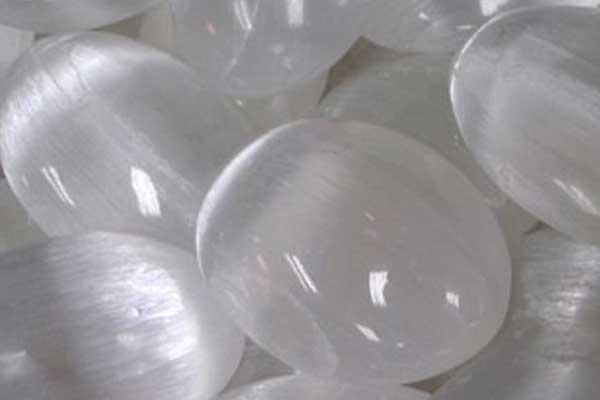
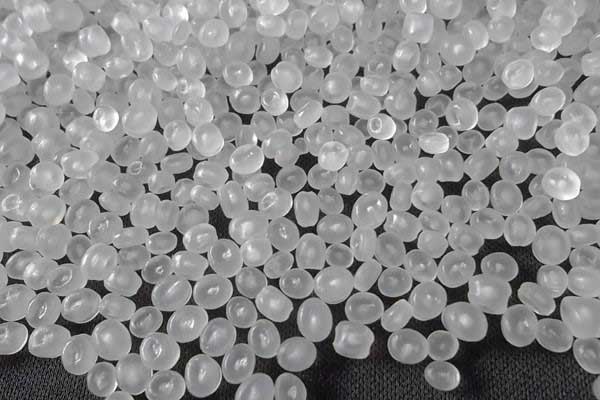
Polypropylene Random Copolymer (PP-R)
It is a type of copolymer obtained by randomly combining polypropylene with another monomer, such as ethylene. This structure imparts several distinct properties to the material. Since ethylene molecules are randomly arranged, PP-R is more flexible, more transparent, and performs better at lower temperatures compared to homopolymer polypropylene.
Applications:
Packaging Industry: Due to its flexible structure and transparency, PP-R is particularly preferred in the production of food packaging, containers, films, and foils.
Medical Applications: It is used in medical products and materials like syringes, as its high impact resistance and flexibility at low temperatures reduce the risk of breakage.
Pipe Systems: PP-R is utilized in hot and cold water pipe systems. Its resistance to high temperatures and pressure makes it ideal for producing long-lasting pipe systems.
Household Products and Kitchen Utensils: Its soft, flexible structure makes it a popular choice for various kitchen items.
Polypropylene Homopolymer (PP-H) is a thermoplastic that is the purest form of polypropylene, consisting solely of propylene monomers. This type of polypropylene is widely used in industrial applications and plastic manufacturing. Polypropylene Homopolymer has the following properties:
Properties:
High Stiffness: Offers excellent rigidity, making it suitable for structural applications.
Good Chemical Resistance: Resistant to a variety of chemicals, including acids and bases, making it ideal for packaging and industrial uses.
Lightweight: Its low density contributes to reduced weight in various applications.
High Melting Point: Maintains its shape and performance at elevated temperatures due to its relatively high melting point.
Moderate Impact Resistance: Provides reasonable impact resistance, although not as high as that of copolymer variants.
Excellent Dimensional Stability: Retains shape and size under varying environmental conditions, which is crucial for precise applications.
Good Processability: Can be easily molded and extruded using standard plastic processing techniques.
Applications:
Automotive Components: Used in the manufacture of lightweight automotive parts that require high strength.
Household Products: Found in items such as storage containers, furniture, and kitchen utensils due to its durability.
Industrial Applications: Utilized for manufacturing pipes, fittings, and packaging materials.
Textiles: Commonly used in producing non-woven fabrics, carpets, and other textile products.
Overall, Polypropylene Homopolymer is a highly versatile material with a wide range of applications in various industries, making it a critical component in modern manufacturing.